The Unseen Layer: How a Silk Cami Quietly Makes Winter Clothes Work Harder
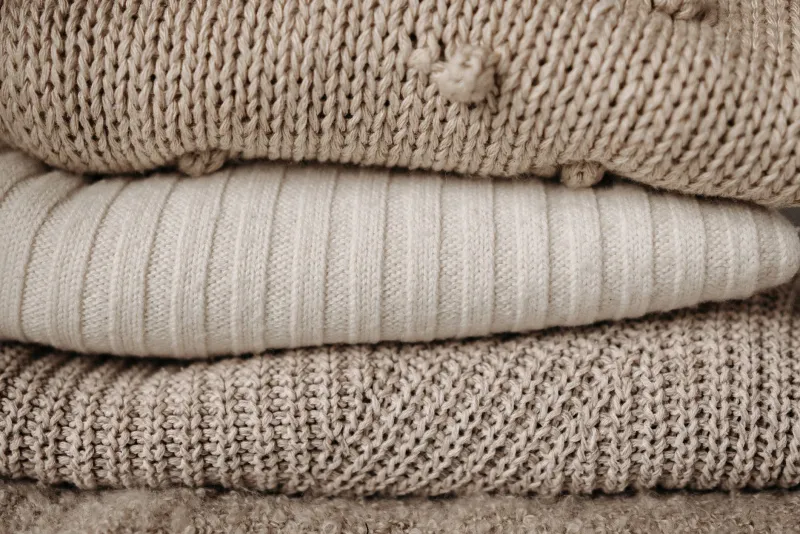
The best winter outfits rarely begin with the coat. They begin with something no one sees. A fine silk cami or a slim merino vest, worn close to the skin under a jumper, a dress or an open shirt, is the sort of piece that never tops a wish list. It is also the reason some outfits feel warm without weight, polished without fuss and wearable long after the season should have closed the door on them.
As we settle into winter 2026, the temptation is still to add another layer on top. Another knit, another scarf, another heavy jacket. But the layer underneath is often the one doing the real work. It changes how a garment feels against the skin, how it sits over the hips, how it breathes on a packed Tube carriage and how it holds warmth on the walk home. It is a small, practical styling trick with a very quiet payoff.
Why the first layer matters more than the fourth
A winter wardrobe can look full and still feel difficult. The problem is usually not a lack of clothes but a lack of useful starting points. A silk or merino cami gives a light knit more substance, makes a dress feel less exposed and turns a favourite shirt into something you can wear into November without reaching for a thermal vest that ruins the line.
It also protects the pieces above it. A smooth base layer reduces friction between skin and knit, which means less pilling and less frequent washing. That matters for cashmere, fine wool and anything you would rather not send to the cleaners every other week. The cami becomes a buffer, and the outfit becomes easier to live in.
This is capsule thinking at its most literal. Instead of buying another mid-layer to solve a cold-weather problem, you add a base layer that makes several existing pieces work harder. Two good camisoles can do more for a winter wardrobe than another oversized cardigan.
Fabric first: breathable indoors, warm outdoors
Silk has a reputation for being delicate, but fine silk is one of the most useful winter fabrics going. It feels smooth against the skin, adds a surprising amount of warmth for its weight and breathes in overheated offices, shops and Tube carriages. It is the layer that stops a brisk walk from turning into a slow roast once you get indoors.
Merino works in a similar way, with a little more natural stretch and a cosier handfeel. It regulates temperature well, resists odour and sits neatly under close-fitting knits. A silk-merino blend is a good middle ground if you want the smoothness of silk with the softness and resilience of wool.
I would be cautious with cotton for this particular job. It can feel chilly when damp and slow to dry after a brisk walk or a rainy bus stop. Save the cotton camisoles for summer and let silk or merino handle the British winter.
Necklines that look intentional, not accidental
The point of a hidden layer is not to stay hidden at all costs. A small, deliberate glimpse at the neckline can make an outfit look considered. The trick is to choose a shape that follows the line of the outer piece rather than fighting it.
Under a V-neck knit, a cami with a V or a deep scoop keeps the neckline clean. Under a crew neck, a scoop that sits just inside the neckline prevents a second hemline appearing halfway across the chest. Under an open shirt, a straight-neck cami looks neat and slightly tailored. Lace-trimmed straps are lovely when they are meant to show, less so when they interrupt an otherwise clean line.
If you want the layer to peek out, let it be a real detail: a slim lace edge, a contrast strap or a soft rolled neckline. If you want it to disappear, choose a neckline that sits lower than the outer garment and a colour that blends with your skin or the knit above it.
Colour choices that keep things calm
The easiest camisoles to live with are the ones that look like they belong in the outfit rather than under it. Ivory, oyster, pale grey, navy, chocolate and black will cover most wardrobes. Match your base layer to the knit above and it becomes invisible. Choose a tonal shade a little lighter or darker and it reads as a soft layer rather than a hidden one.
If you want a flash of contrast, keep it purposeful. A cream cami under a charcoal jumper looks deliberate. A bright white one under a sheer fine knit can look accidental if the fabric is too opaque. The safest approach is to think of the cami as part of the colour story, not as an afterthought.
The pieces it rescues
A silk cami is particularly good under fine-gauge knitwear that looks lovely but feels too thin for a cold morning. It adds warmth without changing the silhouette. It makes a slip dress or a lightweight shirt dress wearable with tights and boots for longer than the weather would otherwise allow. It turns a blazer into a proper winter layer when worn under a thin roll-neck or over a simple shirt.
It is also useful for evenings when you want to look polished but not overdone. A soft cami under a relaxed knit and wide trousers feels calm rather than dressed up. That is the Cocoon Boutique approach in practice: fewer pieces, softer layers, and a wardrobe that feels put together without looking laboured.
Care that keeps the layer quiet
Fine silk and merino do not need to be high-maintenance, but they do need a little respect. Hand wash cool or use a delicate cycle in a mesh bag. Use a pH-neutral detergent and skip the fabric conditioner, which can coat the fibres and reduce breathability. Roll silk in a towel rather than wringing it, then dry flat away from direct heat. Merino should be dried flat too, and kept away from radiators that can shrink or stiffen it.
Wash base layers often enough to keep them fresh, but gently. If you look after them, they will outlast several seasons of trend-led mid-layers and quietly earn their place at the back of the drawer.
The hidden layer is not a dramatic purchase. It is not the piece anyone notices first. But it is often the reason a winter outfit feels easy, warm and finished. Start there, and the rest of the wardrobe has a better chance of working.